
In the future, software engineers were able to leverage the power of GPT-3, the largest and most advanced language processing model ever created. With GPT-3, software engineers were able to write code faster and with greater accuracy than ever before.
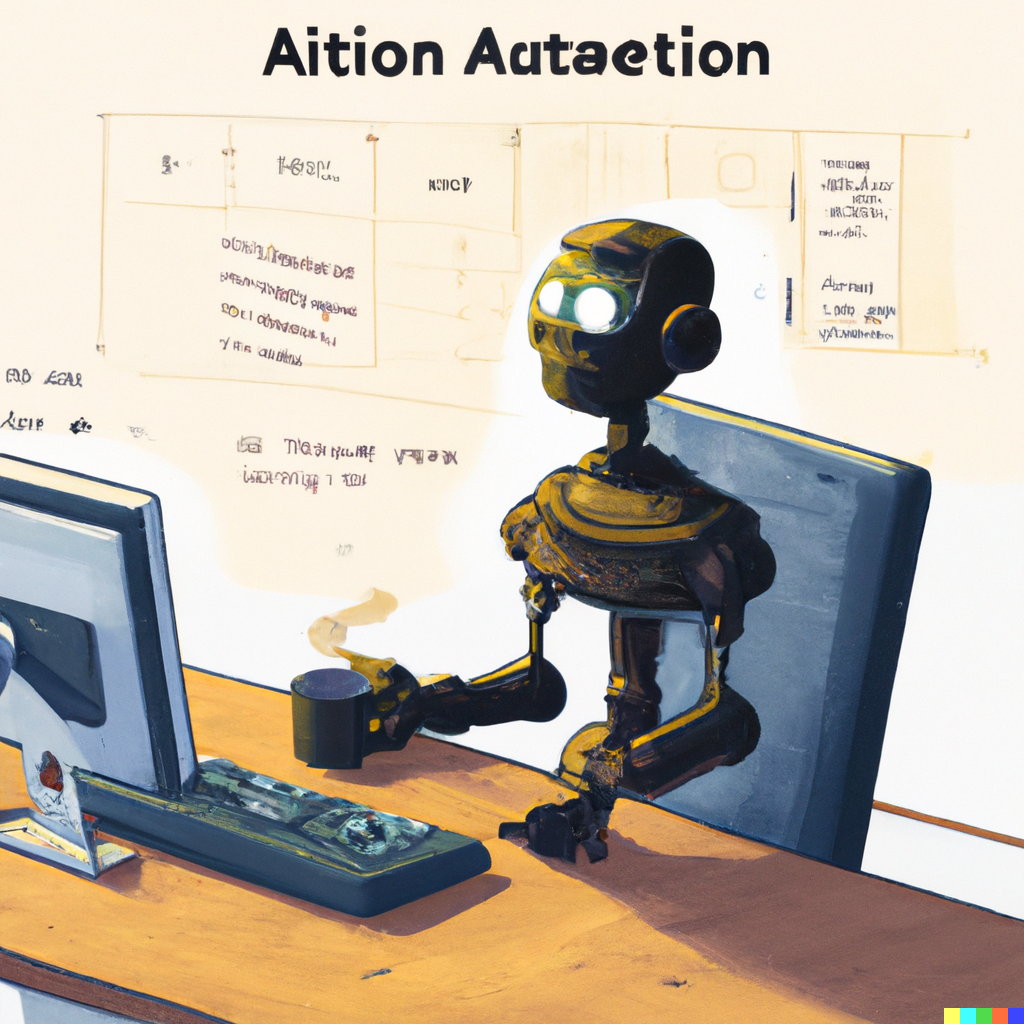
Initial reaction of the Software Engineers
At first, many engineers were skeptical of GPT-3 and its abilities. They worried that the technology would replace them and leave them out of work. However, as they began to use GPT-3, they quickly realized that it was a valuable tool that could help them in their work.
With GPT-3, software engineers could write code more quickly and with fewer errors. The language processing model was able to predict what code needed to be written and suggest the best way to write it. This saved engineers a great deal of time and effort, and allowed them to focus on other aspects of their work.
In addition, GPT-3 made it easier for software engineers to learn new programming languages and technologies. The language processing model was able to provide detailed explanations and examples of how to use different languages and frameworks, which made it easier for engineers to get up to speed quickly.
They co-adapted but feared about the future
Overall, the impact of GPT-3 on software engineers was profound. It made them more efficient and effective in their work, and opened up new opportunities for them to learn and grow. As a result, software engineers were able to create even more sophisticated and powerful software than ever before.
As GPT-3 continued to evolve and improve, its abilities became even more advanced. The language processing model was able to write entire programs on its own, with little or no input from software engineers. This made many engineers worried that their skills would become obsolete, and that they would no longer be needed in the industry.
However, even with the improvements to GPT-3, software engineers were still able to play a vital role in the creation of software. The language processing model was not able to think creatively or solve complex problems on its own. It still needed the guidance and expertise of human software engineers to provide direction and solve difficult challenges.
In addition, software engineers were able to use GPT-3 to automate many of the tedious and repetitive tasks that were part of their work. This allowed them to focus on the most important and challenging aspects of their work, and to create even more sophisticated and powerful software.
Overall, while the improvements to GPT-3 made some aspects of software engineering easier, it did not make software engineers obsolete. Instead, it allowed them to work more efficiently and effectively, and to create even more impressive and innovative software.
Long into the future... ( might be just a few years away )
Eventually, as GPT-X continued to improve and evolve, there came a time when there were no longer any challenging issues remaining for software engineers to work on. The language processing model was able to write code that was virtually error-free, and could handle even the most complex and difficult tasks with ease.
At this point, many software engineers found themselves at a loss for what to do. They had spent their careers solving challenging problems and pushing the boundaries of what was possible with software. But now, with GPT-X, there were no more challenges left for them to tackle.
Some software engineers chose to retire, content with the knowledge that they had made a significant contribution to the field. Others continued to work, but focused on more mundane tasks, such as maintaining and updating existing software.
Author : ChatGPT